
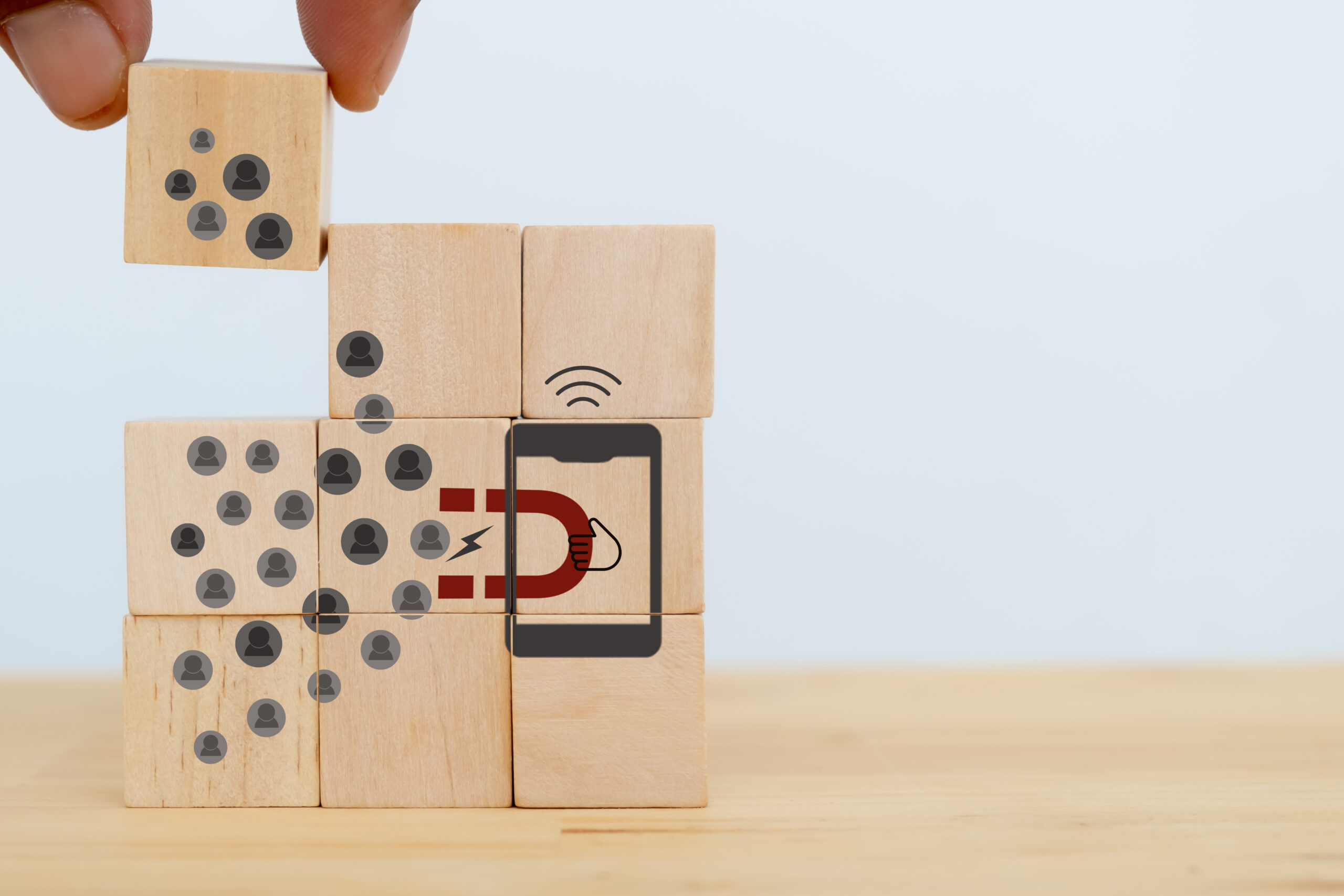
Customer Success operated without established operational boundaries throughout multiple years of its business operations.
It was important, but rarely decisive. Visible, but not powerful. People appreciate its goals but the program lacks proper evaluation of its actual results. Organizations used Customer Success as a goodwill function which focused on maintaining customer satisfaction and minimizing complaints after completing sales transactions.
The model functioned until it completed its run at the end of 2025.
The fundamental flaws in conventional Customer Success models developed because organizations faced decreased business expansion and restricted funding and customers took longer to make purchasing decisions. The organization needed to stop assuming employee retention would always remain unchanged. The company needed to stop relying on sales personnel for all its expansion activities. The company needed to invest major resources to win back customer trust which had already disappeared.
Customer Success will undergo an essential change which will affect its operations throughout 2026. The organization now operates as a commercial business because business needs drove this transformation instead of any deliberate leadership decision.
The classic Customer Success organization was designed for a different era. During this market period customers made immediate product purchases while businesses expanded their operations because their customers maintained their brand loyalty. The customer service department operated as a protective shield which separated customers from all other organizational departments. It absorbed dissatisfaction, managed expectations, and escalated issues when necessary.
What it did not do was own outcomes.
Customer Success teams were frequently left out of important strategic choices. The information reached them only after all business transactions had been finalized. The assessment measured students' physical activity and their emotional reactions but it did not test their capacity to create value. Their insights were listened to politely — and then overridden by growth priorities.
The system allowed for simple renewal processes which hid the existing imbalance between new and returning customers.
The world experienced a transformation during 2025.
The customer value inspection trend forced Customer Success teams to handle this situation although they lacked proper authorization. The organization needed me to maintain relationships, but it refused to give me any power to modify pricing or scope definitions or delivery methods or product development choices. The team member who handles customer retention does not participate directly in the operations which determine whether customer retention strategies will succeed.
The outcome became obvious because it led to employee burnout within the organization while staff members outside the company became dissatisfied and the business lost potential earnings throughout all its operations.
What many executives discovered last year is that retention is not a function-level problem. It is an organizational one.
Customers leave their accounts because service interruptions happen repeatedly instead of having a single service breakdown. The team members choose to leave because their trust in the organization continues to decrease with each successive day. Small disappointments accumulate. Promises drift from reality. The system starts to respond only after problems occur instead of acting before issues arise. The relationship turns into a dangerous situation at some point.
Customer Success sees this happening first.
The organizations did not give their Customer Service teams enough power to take immediate action. The system detected risks, but it did not recognize essential problems which existed in its fundamental operational framework. The system would allow users to share their health ratings, yet it would not enable them to modify the reward structure. The organization would allow them to suggest modifications, yet they would lack the authority to make sure everything stayed in line.
The model becomes nonfunctional because businesses need to keep their current customers while they work to get new customers for business expansion.
If Customer Success is accountable for outcomes, it must also be integrated into the commercial engine of the business.
The financial effects of Customer Success operations in organizations become substantial yet their teams fail to recognize these monetary impacts.
The level of revenue stability at the base depends on how well a company retains its customers.
The success of expansion requires organizations to build trust with their customers while customers need to accept their products and services and organizations must demonstrate that their offerings deliver sufficient value.
Organizations can maintain top-quality customer acquisition pipelines through advocacy programs which help them decrease their expenses for obtaining new customers.
Ignoring this linkage does not make it disappear. The system becomes uncontrolled when this happens.
Leading companies created official policies which replaced the previous unspoken workplace rules during 2026. The company has established a connection between Customer Success operations and business targets which will drive growth through actual delivery instead of depending on optimistic expectations.
This does not mean aggressive upselling. It means clarity. The customer needs to identify which results will prove their success achievement. The organization needs to establish if it possesses sufficient resources to carry out this initiative. Clarity on when to expand a relationship and when not to.
The practice of complete transparency about product defects leads to higher sales figures. Business partners establish customer trust through their commitment to provide genuine information to their clients.
Organizations face resistance when they attempt to make this change.
Some fear that making Customer Success commercial will erode trust. Some stakeholders express skepticism about customer success team implementation because they worry it will create resource management problems and affect the sales team workforce. Some organizations fail to see how CS should function as a strategic partner which extends past its traditional role of post-sale customer service.
These concerns are understandable and largely misplaced.
Customer Success becomes dangerous to trust only when incentives are misaligned. The sales process under valueless sales pressure creates an instant negative effect which affects all customers who interact with CS. The organization builds trust through CS when it receives permission to stop development growth and delay construction and establish new communication systems.
The real risk is not commercializing Customer Success. The organization faces an actual threat because it does not possess enough structural power to protect its revenue source.
From relationship management to outcome ownership
Customer Success has undergone its biggest transformation which has completely transformed the core elements of the field.
In 2026, CS is moving away from relationship management and toward outcome ownership.
The method of outcome ownership requires people to adopt a specific mindset. It requires Customer Success to understand not just how customers feel, but what they are trying to achieve. The process requires deep knowledge about how customers manage their finances as well as complete understanding of system relationships and all operational constraints. The process needs someone who will question all existing beliefs which exist between these two entities.
The position requires employees to perform their duties at the standard level which includes all assigned responsibilities. It is a more demanding one.
Customer Success leaders need to show the same business understanding which their sales and finance colleagues demonstrate. They must be able to articulate the revenue implications of customer decisions — and the customer implications of internal decisions.
The executive team now receives CS because of its growing importance in the organization. The organization needs to treat this department as its fundamental strategic partner instead of treating it like any other standard reporting unit.
The evolution of Customer Success into a commercial function needs more than new job titles and different payment structures to succeed. It requires structural change.
The process needs CS to start working with customers at an earlier stage than before their expectations become fixed. The process demands that CS personnel should receive the ability to participate in decisions about product pricing and packaging and development direction. The system requires performance indicators to connect with business results instead of depending on theoretical rating systems.
Most importantly, it requires executive sponsorship.
The absence of established leadership ownership prevents Customer Success from obtaining correct authority and responsibility alignment. The sponsorship function acts as a stabilizing factor which allows businesses to grow through their actual market results.
The market system of 2026 generates superior results for individuals who learn to control their actions instead of those who attempt to achieve unattainable targets. Customers are more selective. Budgets are more scrutinized. The transition process requires minimal effort because it includes basic technical procedures and requires minimal mental effort.
Organizations need to handle Customer Success as their main business priority because this environment does not support using it as a backup system. It must be part of the growth architecture.
Organizations which develop their best CS teams and create their most advanced dashboard systems will achieve success. The team members will direct the process to make Customer Success a fundamental business strategy element.
The team will recognize that sustainable revenue growth happens after acquiring customers instead of when they first sign a contract.
International Executive Consulting now works with more organizations which understand their Customer Success model does not support their current growth targets.
We work with leadership teams to redefine the role of CS, not as a support function, but as a commercial and strategic one. The process requires organizations to transform their governance systems and decision-making authority and their cross-departmental teamwork methods beyond basic process improvements.
The goal is not to turn Customer Success into sales. The organization needs to verify that revenue expansion stems from actual customer value delivery instead of depending on customer retention assumptions.
Customers will not remain customers in 2026 because the company builds relationships through friendly interactions.
The organization keeps its customer base because it provides dependable big-scale results which meet its delivery promises.
And that is why Customer Success is becoming a commercial function, whether leaders like it or not.
Author: Sandrine Moreau
At International Executive Consulting, we excel in driving business transformation and organizational change - enhancing corporate performance while optimizing efficiency.